Climbing Kilimanjaro is no casual stroll – it’s a grueling test of endurance, grit, and smart pacing. As you ascend Tanzania’s “Roof of Africa,” managing your energy becomes even more critical than raw muscle strength. In fact, even the fittest adventurers can struggle if they burn out too early. The good news is, you don’t need to be an elite athlete to conquer Kili – you just need the right strategies. In this guide, we’ll share five key ways to manage your energy on Kilimanjaro’s steep slopes, helping you pace yourself, fuel your body, and recover properly so you can reach the summit one step at a time.
1. Pole Pole: The Sacred Pace of the Mountain
You’ll hear the Swahili phrase “Pole Pole” (“slowly, slowly”) over and over again on Kilimanjaro. This isn’t just a motto – it’s the most important rule of the mountain. When you start your trek, you might feel strong and excited, the air is fresh, and you want to keep up with the group. But don’t rush! Those steep climbs, especially on days like the Barranco Wall or the final summit push, are where climbers who ignore pole pole pay the price. Pushing too hard at the beginning can lead to fatigue and altitude sickness later on. Trust us – slow and steady truly wins this race. “Pole Pole” is the secret rhythm to conquering Kilimanjaro without burning out.
2. Break It Down Mentally
When you’re staring up at a seemingly never-ending ridge, it’s easy to feel overwhelmed. Instead of thinking about the entire distance ahead, try breaking the climb into smaller, more manageable parts. Focus on the next 10 steps or the next rock to climb. By narrowing your focus to just a short stretch at a time, the task ahead becomes less daunting. Another helpful technique is to celebrate every small milestone – whether it’s reaching a turn in the trail, taking a water break, or simply surviving a particularly steep section. Each little victory boosts your morale and keeps you motivated. Your guide will also set a steady pace for the group; try to match that rhythm. Many Kermali Tours climbers credit this mental strategy with getting them through the toughest parts of the climb. Remember: small milestones, big victories – breaking the climb into steps keeps you moving forward.
3. Fuel Your Body Right
Just as you wouldn’t drive across the Serengeti without fuel, you shouldn’t attempt Kilimanjaro on an empty stomach. Proper nutrition is essential for high-altitude trekking. On your climb, you’ll be provided with well-balanced meals, snacks, and hydration strategies tailored for the mountain. However, even with the guides preparing everything, it’s crucial that you take an active role in fueling your body. Eat regularly, even if you don’t feel hungry – altitude often suppresses appetite, but your body still needs energy. Snack frequently during breaks: think about nuts, dried fruit, or energy bars to keep your energy levels up. Avoid sugary snacks that might give you a quick spike of energy followed by a crash later. And don’t forget to stay hydrated – aim to drink at least 3–4 liters of water per day. Your guides will help remind you to hydrate, but it’s important to take this seriously. Nutritious meals and snacks are your fuel for powering through Kilimanjaro’s toughest slopes. By eating and drinking well, you’ll ensure your body has the energy it needs to keep climbing.
4. Conserve Energy with Smart Movements
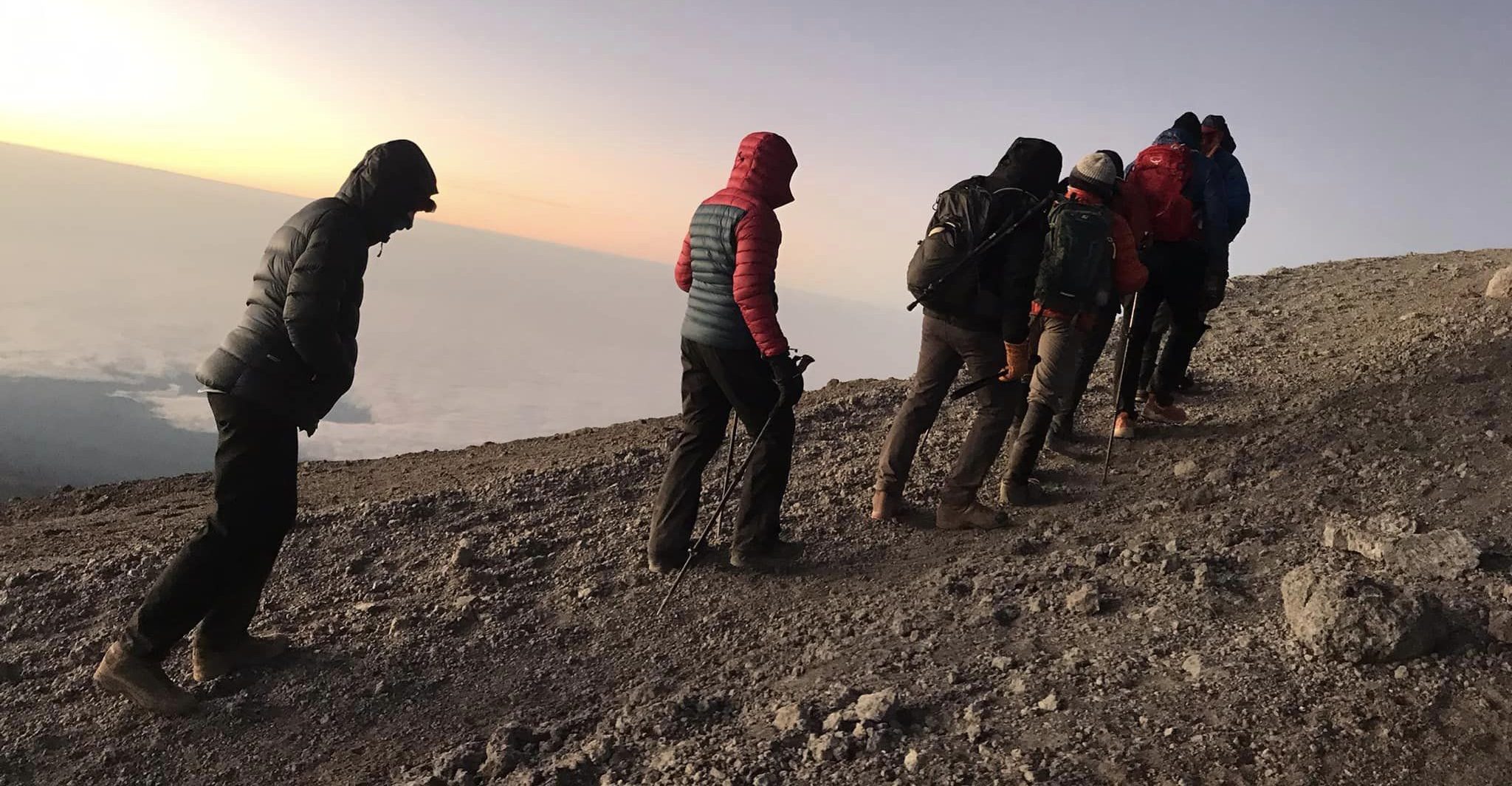
On steep slopes, your body burns more calories and oxygen than on flat ground. The key is to move efficiently so you don’t waste energy. Here are some smart movement tips to conserve energy: Keep a short, consistent stride – long, heavy steps can tire you out quickly. Instead, use a shorter, quicker gait that feels sustainable. Plant your feet securely with every step – especially on loose or uneven terrain, make sure each foot placement is stable to avoid slips and falls, which could be dangerous and energy-wasting. Avoid flailing your arms or overexerting on flat areas – save your energy for the uphill sections. On flat or downhill stretches, let your arms hang naturally and take it easy. Finally, use trekking poles to reduce pressure on your legs. Poles can provide extra stability on steep ascents and descents, helping you maintain balance and reducing the strain on your knees and calves. This is where good gear + good guidance pays off. At Kermali Tours, our guides will teach you how to hike smart – not hard. By moving efficiently and using trekking poles, you’ll conserve energy and make it easier on your body, so you can keep climbing for longer without fatigue.
5. Rest Like It’s Your Superpower
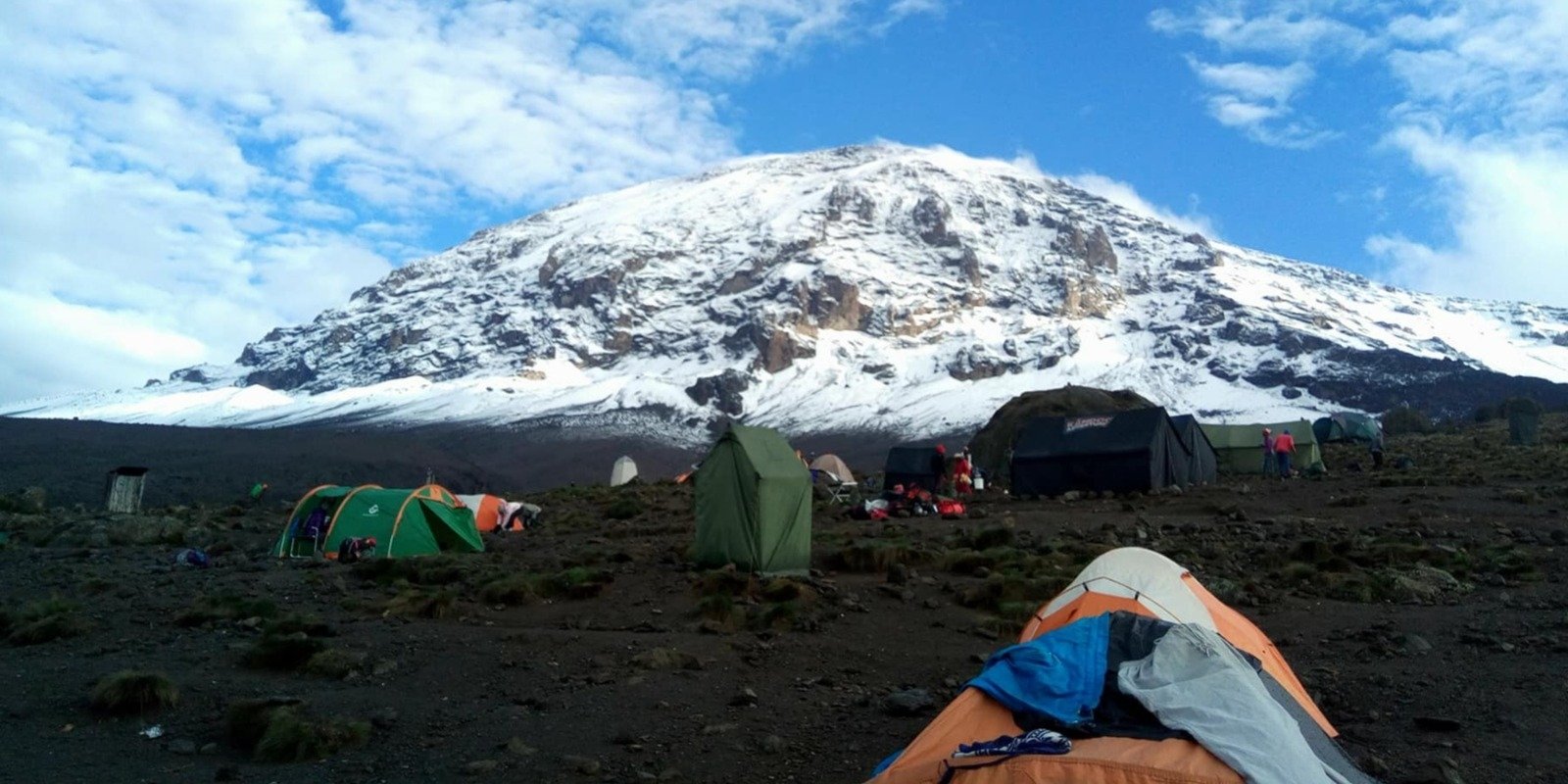
Climbing Kilimanjaro is a marathon, not a sprint. One of the biggest mistakes you can make is trying to rush through every moment of the trek. Resting is recovery, and recovery is how you finish strong. It’s crucial to take your scheduled breaks seriously – don’t skip them or try to push through when you’re tired. Use your break time to recharge: close your eyes, breathe deeply, and soak in the silence of the mountain. Many climbers find that even a few minutes of rest can make a big difference in how they feel. Sleep early in the evenings as well – getting enough rest at night is just as important as the steps you take during the day. In fact, one past Kermali Tours climber said, “My naps were just as important as my steps.” We couldn’t agree more! Rest isn’t a sign of weakness; it’s your secret weapon for summit success. By resting and letting your body reset, you’ll have the energy you need to tackle the next day’s challenges. Remember, climbing Kilimanjaro is a long journey – respect your body, listen to its signals, and don’t be afraid to pause and recover. When you do, you’ll be rewarded with more energy and a better chance of reaching the summit.
Final Thoughts
Climbing Kilimanjaro is a remarkable experience that requires patience, perseverance, and a smart approach to energy management. By following these five strategies – pacing yourself with pole pole, breaking the climb into small goals, fueling your body with proper nutrition, moving efficiently, and resting when needed – you’ll be well on your way to conquering the Roof of Africa. Remember, this isn’t a race; it’s a journey to be enjoyed and respected. Listen to your body, stay positive, and trust in your training and your guides. With the right mindset and preparation, you can manage your energy effectively and turn your summit dreams into reality. Good luck, and enjoy every step of your Kilimanjaro adventure!