Kilimanjaro Preparation and Safety
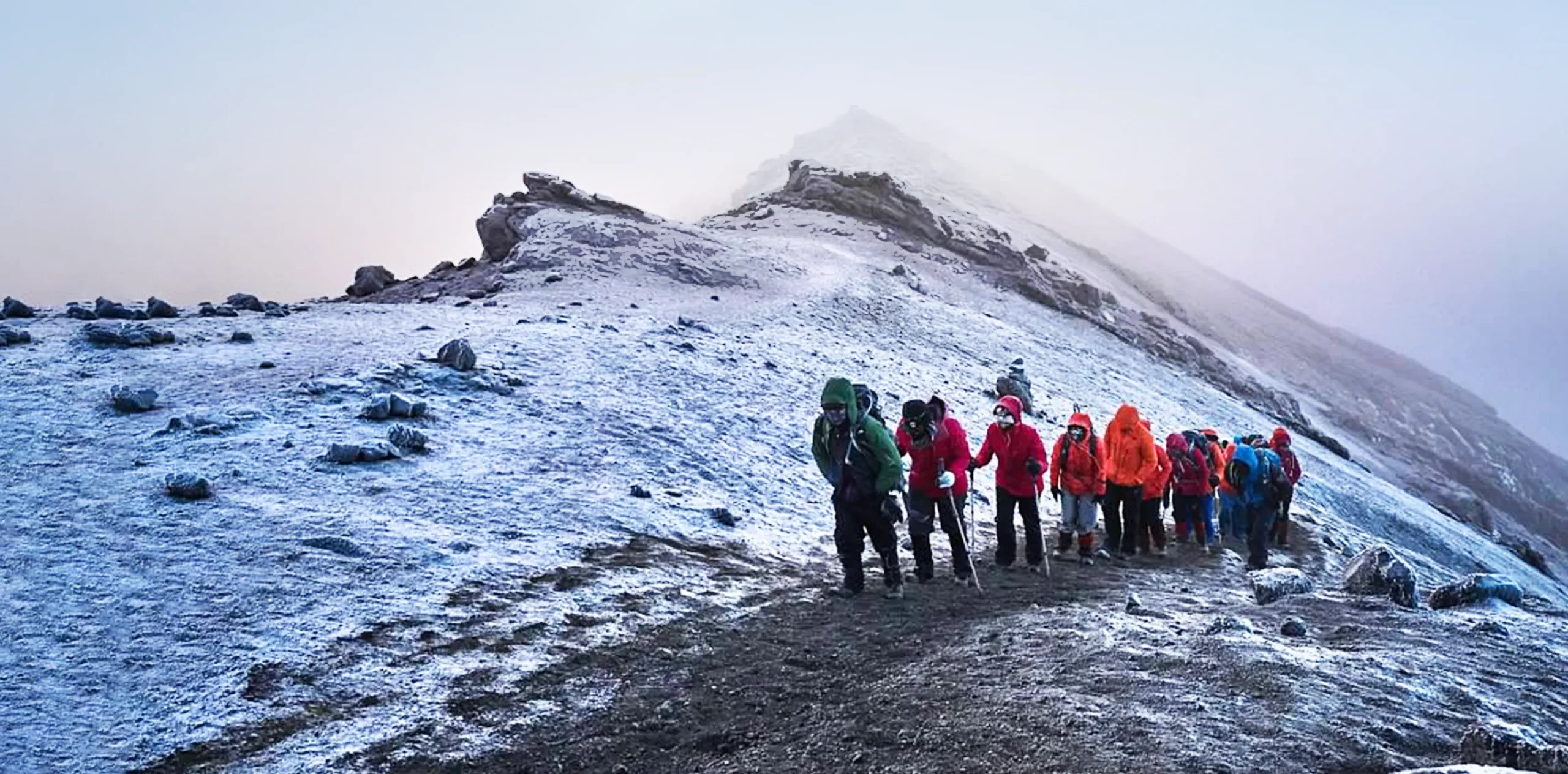
Embarking on a trek up Mount Kilimanjaro is an adventure of a lifetime, but it requires careful preparation and a strong focus on safety. This guide provides essential tips for both the physical and logistical aspects of your climb, ensuring you are ready for the challenges ahead. From acclimatization and proper gear to safety protocols and cultural awareness, we’ll cover everything you need to know to have a safe and successful Kilimanjaro experience. Remember, a well-prepared trek not only enhances your enjoyment but also increases your chances of reaching the summit. Let’s dive in and get you ready for one of the world’s most iconic hikes!
1. Acclimatization Strategies
Acclimatization is the process of allowing your body to adjust to the decreasing oxygen levels at high altitudes. On Kilimanjaro, this is crucial to prevent altitude sickness, which can range from mild headaches to life-threatening conditions like pulmonary or cerebral edema. Here are some key strategies to acclimatize properly:
- Gradual Ascent: Avoid rushing your climb. Use a multi-day route (like the Machame Route) that alternates between high and low camps. This gives your body time to adapt to the altitude. For example, a 5- or 6-day itinerary typically includes a day at around 3,000 meters, then a climb to 4,000 meters, and so on, allowing gradual acclimatization.
- Rest and Hydration: Ensure you rest adequately each night at higher camps. Good sleep is vital for acclimatization. Drink plenty of water (at least 3–4 liters per day) to help your body adjust. Staying hydrated flushes out excess fluid and supports overall altitude tolerance.
- Altitude Sickness Symptoms: Familiarize yourself with the signs of altitude sickness: headache, nausea, dizziness, fatigue, and shortness of breath. If you experience severe symptoms (severe headache, confusion, loss of coordination, chest pain, etc.), do not ignore them – they could indicate high-altitude pulmonary edema (HAPE) or high-altitude cerebral edema (HACE), which require immediate medical attention. Your guide will carry altitude sickness medication (diamox) and can provide guidance if you feel unwell.
- Altitude Sickness Prevention: If you have concerns, consider taking acetazolamide (Diamox) as a preventive measure. Diamox helps the body adjust to altitude by increasing the respiratory rate and improving oxygen uptake. However, always consult your doctor before taking any medication, and use it under medical supervision. In addition to medication, stay hydrated, eat well, and take it slow – these steps will significantly reduce your risk of altitude sickness.
By following these acclimatization strategies, you’ll give your body the best chance to adapt to the high altitude, keeping you safe and healthy throughout your Kilimanjaro trek.
2. Hiking Gear and Equipment
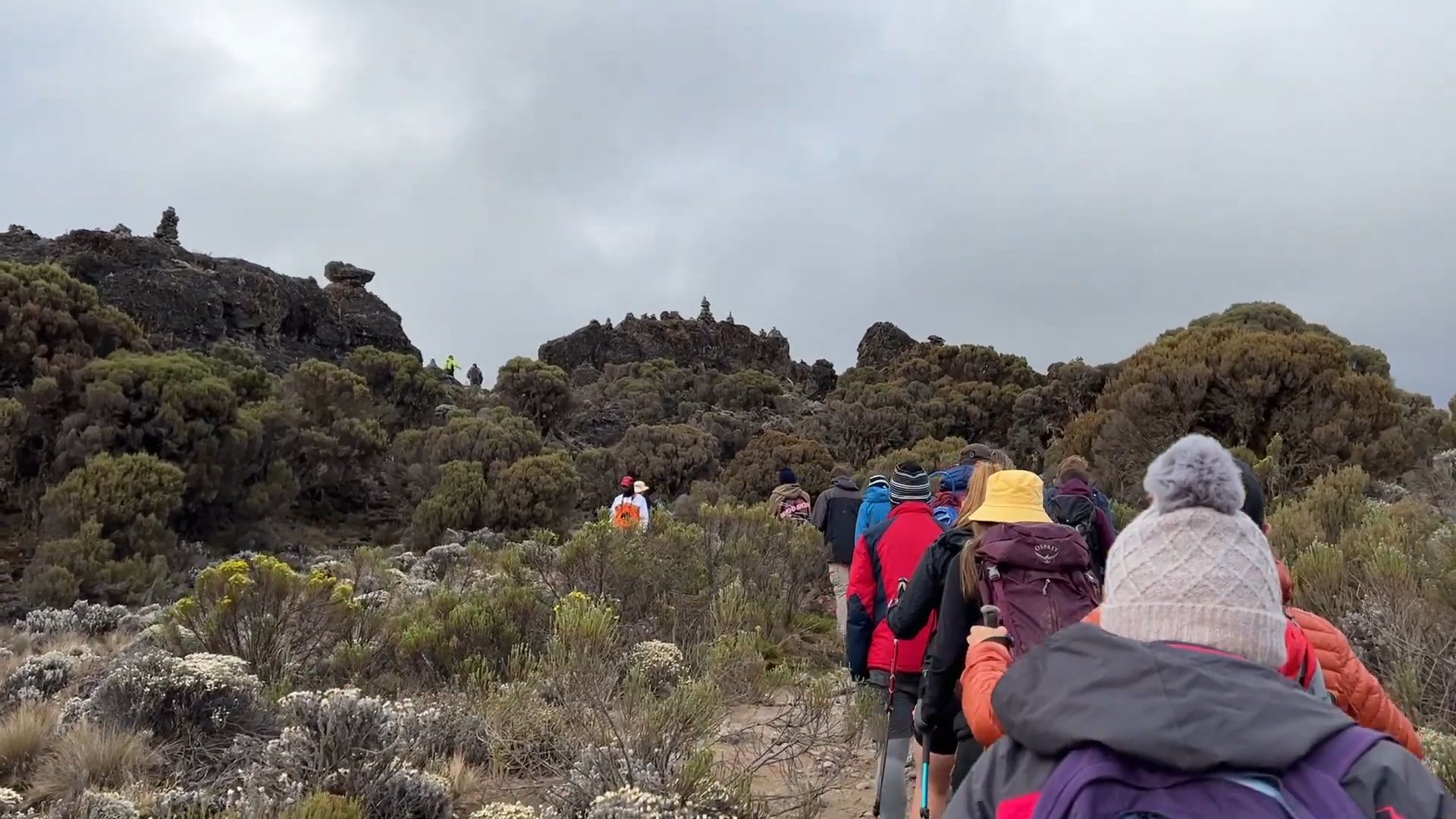
Proper gear is essential for a safe and comfortable Kilimanjaro trek. The right equipment can make a big difference in your ability to acclimatize and tackle the terrain. Here’s a list of key gear items you should bring:
- Trekking Boots: Invest in high-quality, sturdy hiking boots that provide ankle support. They should be broken in before the climb to avoid blisters. Kilimanjaro’s trails can be rocky and uneven, so ankle support is crucial.
- Clothing Layers: Dress in layers to adapt to changing weather conditions. Start with a moisture-wicking base layer (to keep sweat away from your skin), add an insulating mid-layer (like a fleece or down jacket), and top it off with a waterproof and windproof outer layer. Don’t forget a warm hat, gloves, and a neck gaiter or balaclava for cold nights. Layers allow you to add or remove clothing as needed throughout the day.
- Sleeping Bag: Kilimanjaro’s nights can be very cold, especially at higher camps. Bring a sleeping bag rated for temperatures around 0°C (32°F) or lower. Many tour operators provide sleeping bags, but it’s wise to bring your own to ensure it meets your comfort level. A good sleeping bag will keep you warm and help you rest well after a long day of climbing.
- Backpack: A 30–40 liter backpack is ideal for carrying your gear. It should have a waist belt and hip straps for support. Your backpack will hold your sleeping bag, clothes, water, snacks, camera, and any personal items. Choose a backpack that fits you well and is comfortable to wear for long periods.
- Trekking Poles: Trekking poles are highly recommended for Kilimanjaro. They provide extra stability on steep ascents and descents, reducing strain on your knees and calves. Poles also help with balance on uneven terrain. Using poles can make the climb easier and safer, especially on the Barranco Wall and the final summit push.
- Water Bottle/Camelbak: You’ll need to carry water with you during the day. A 2–3 liter water bottle or a hydration bladder (Camelbak) is recommended. Make sure it’s insulated to keep water cool in the heat. Staying hydrated is critical – aim to drink at least 3–4 liters of water per day. Your guides will also provide hot water at camps for rehydration.
- Sun Protection: The high altitude and clear skies mean strong UV rays. Pack sunscreen (SPF 30 or higher), lip balm with SPF, and sunglasses to protect your skin and eyes from the sun. A hat can also help shield your face from the sun.
- First Aid Kit: A basic first aid kit is important to treat minor injuries and illnesses. Include items like bandages, antiseptic wipes, pain relievers (ibuprofen or paracetamol), anti-diarrheal medication, and any personal medications you might need. Your guide will also have a first aid kit, but having your own can be helpful for immediate needs.
- Personal Items: Don’t forget essentials like a headlamp or flashlight (for night hikes to the summit), toilet paper, wet wipes, and any personal toiletries. Also, bring a small daypack to carry just the essentials (water, snacks, camera, etc.) during the day. It’s a good idea to have a small daypack to lighten your load on shorter trekking days.
Remember, quality and comfort are key when choosing gear. It’s worth investing in good equipment to ensure you’re prepared for the challenges of Kilimanjaro. If you’re unsure about any gear, your tour operator can provide guidance or even rent equipment for you. By packing the right gear, you’ll be well-equipped to handle the terrain and conditions, keeping you safe and comfortable throughout your journey.
3. Safety Protocols and Emergency Preparedness
Safety should be a top priority on any Kilimanjaro trek. The mountain can be unpredictable, so it’s important to follow safety protocols and be prepared for emergencies. Here are some key safety measures and emergency preparedness tips:
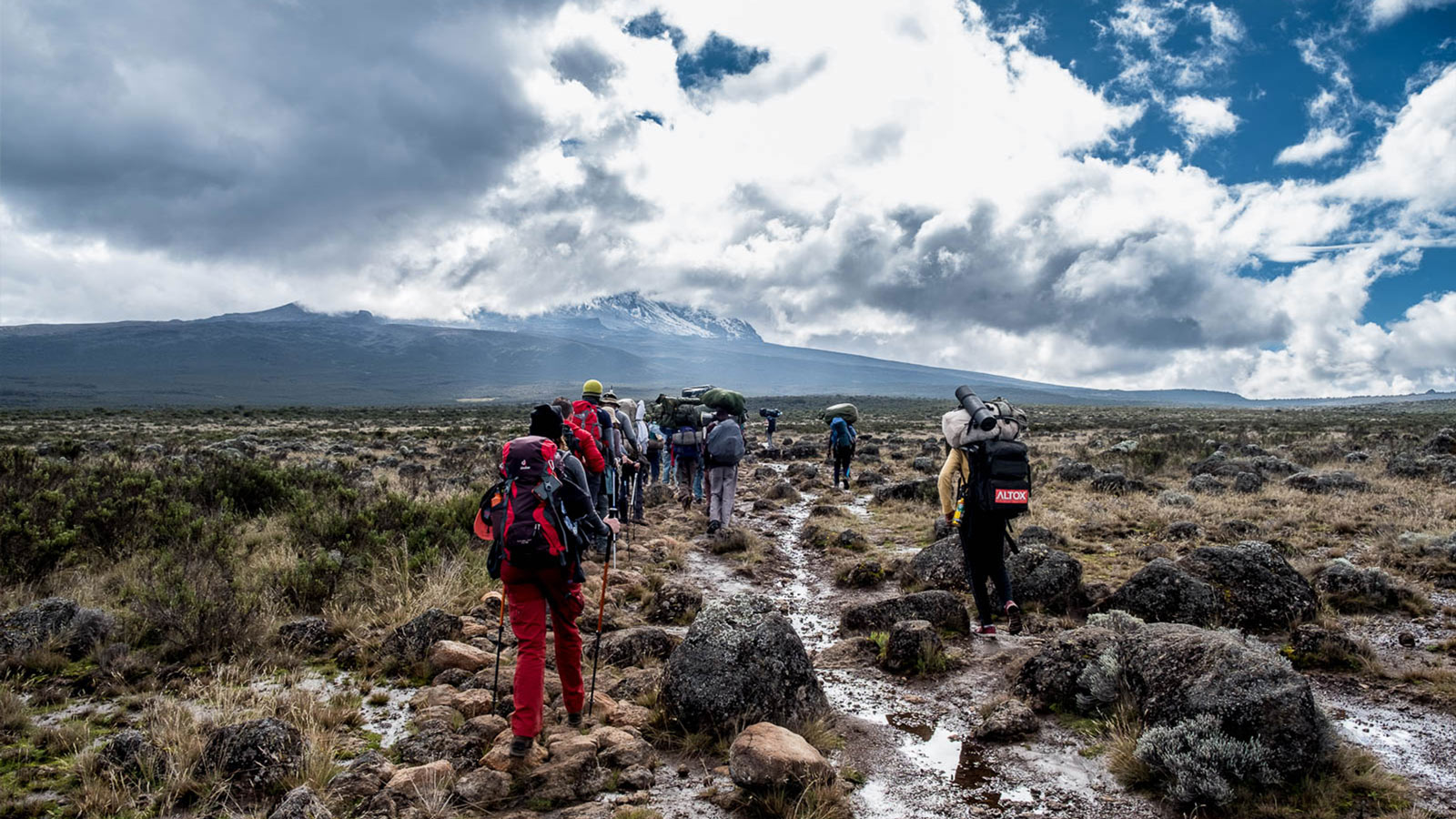
- Guided Trek: Always choose a reputable tour operator and go with a certified guide. A professional guide knows the mountain well and will ensure you follow safety guidelines. They will also have emergency equipment and can help in case of any issues. Most treks include a guide, porters, and a cook – together, this team will support you and keep you safe.
- Emergency Communication: Your guide will carry a satellite phone or GPS device for emergencies. In case of an emergency, they can contact rescue services or send for help. It’s important to trust your guide’s judgment and follow their instructions in any situation.
- Altitude Sickness Management: As discussed, be aware of altitude sickness symptoms and take preventive measures. If someone in your group shows signs of altitude sickness, the guide will likely descend to a lower camp for acclimatization. This is a necessary step to ensure the person’s health and the safety of the group. Never ignore altitude sickness – it can escalate quickly if not managed properly.
- Group Safety: Stay with the group and follow the guide’s lead. Do not attempt to go off-trail or climb alone. The mountain is steep and unpredictable, and going off course can be dangerous. Stick together, especially on tricky sections, and keep an eye on each other’s well-being.
- Navigation: The trail on Kilimanjaro is marked, but it’s easy to get disoriented in fog or snow. Always stay on the marked path and follow your guide. If you do lose the trail, stop and wait for your guide – do not try to navigate back alone. The guide will know the correct route and can lead you back safely.
- Emergency Equipment: Your guide will have a first aid kit, oxygen canisters, and emergency blankets. Familiarize yourself with the location of these items and how to use them. If you have any medical conditions, inform your guide in advance so they can be prepared. It’s also a good idea to carry a small personal first aid kit with you, just in case.
- Weather Awareness: Weather on Kilimanjaro can change rapidly. Pay attention to weather forecasts and be prepared for sudden storms or cold snaps. If bad weather is forecast, your guide may adjust the schedule or route for safety. Always dress appropriately for the weather and listen to your guide’s advice about whether to continue or turn back.
- Emergency Plan: Have a basic emergency plan in mind. Know that the nearest hospital is in Arusha, Tanzania, which is several hours away. If a serious emergency occurs, evacuation may be necessary. Your guide will coordinate with tour operators and local authorities to ensure you get the help you need as quickly as possible.
By following these safety protocols and being prepared for emergencies, you can minimize risks and ensure a safer trek. Remember, your guide is there to keep you safe, so trust their expertise and stay vigilant. With a combination of proper planning and a safety-conscious approach, you’ll be ready to handle any situation that comes your way on Mount Kilimanjaro.
4. Physical and Mental Preparation
Climbing Kilimanjaro is as much a mental challenge as it is a physical one. Adequate preparation will help you build the strength and endurance needed, while a positive mindset will keep you motivated throughout the journey. Here are some tips for physical and mental readiness:
- Cardiovascular Training: Engage in regular cardiovascular exercises in the weeks leading up to your climb. Activities like brisk walking, jogging, cycling, or hiking will help improve your lung capacity and endurance. Climbing stairs or hill walking are particularly good for simulating the steep terrain of Kilimanjaro. Aim for at least 30 minutes of moderate exercise most days.
- Strength Training: Incorporate strength training exercises to build leg strength and core stability. Squats, lunges, and calf raises will strengthen the muscles used for climbing. Core exercises (planks, sit-ups) will help with balance on uneven ground. Strong legs and a stable core will make the ascent easier and reduce the risk of injury.
- Altitude Training: If possible, train at a higher altitude before your trip. Spending a few days at a high altitude (like a mountain resort or a high-altitude city) can help your body acclimatize in advance. This isn’t always feasible, but even a few days of exercise at moderate altitude can give your body a head start.
- Proper Nutrition: Eat a balanced diet rich in carbohydrates, protein, and healthy fats in the weeks before the climb. Carbohydrates provide energy, protein helps build and repair muscle, and healthy fats support overall health. Staying well-nourished will ensure your body has the fuel it needs for training and the climb. Avoid extreme diets or crash dieting – your body needs all the energy it can get for the trek.
- Hydration: Maintain good hydration habits in the weeks leading up to your trip. Drinking plenty of water helps your body function optimally and will prepare it for the increased physical demands of the climb. Aim for at least 2–3 liters of water per day, and reduce caffeine and alcohol intake, as they can dehydrate you.
- Mental Preparation: Develop a positive and realistic mindset. Climbing Kilimanjaro is challenging, but many people have done it successfully. Visualize yourself reaching the summit and think about the sense of achievement you’ll feel. Break the journey into smaller goals (e.g., “Today I’ll reach camp X”). This can make the climb feel less overwhelming. Also, be prepared for setbacks – if you don’t feel well one day or if weather conditions change, accept it and adjust your plans accordingly. A flexible and positive attitude will serve you well.
- Rest and Recovery: Don’t neglect rest in your training. Getting enough sleep and taking rest days will allow your body to recover and grow stronger. Listen to your body – if you’re tired, take a break. Overtraining can lead to injury and fatigue, so balance your training with rest.
- Psychological Support: If you’re climbing with a partner or friends, encourage each other and share the experience. Having a support system can boost morale. If you feel anxious or nervous, talk to someone about it – often just acknowledging your feelings can reduce stress. Remember, your guide and support team are there to help you mentally as well as physically.
By combining physical training with mental preparation, you’ll be in the best shape to tackle Kilimanjaro. Physical readiness ensures you have the strength to climb, while mental readiness keeps you focused and motivated. With a solid training plan and a positive attitude, you’ll be ready to face the challenges of the mountain and enjoy the journey to the summit.
5. Local Travel and Cultural Awareness
While preparing for the physical and logistical aspects of your climb, it’s also important to be culturally aware and respectful of the local environment and people. Kilimanjaro is not only a natural wonder but also an area with a rich cultural heritage. Here are some tips for being a responsible traveler:
- Respect Local Communities: The people living near Kilimanjaro are warm and welcoming. Show respect by greeting them with a smile and a “Jambo” (hello) in Swahili. Ask for permission before taking photos of people, especially of children. If someone offers you a traditional greeting or a gift, accept it graciously. Engaging in simple conversations with locals can enrich your experience and show appreciation for their culture.
- Cultural Etiquette: When visiting villages or cultural sites, dress modestly. Women should cover their shoulders and knees, and men should wear shorts or pants that cover the knees. This is a sign of respect for local customs. In some villages, you may be invited to participate in a local dance or ceremony – if so, do so with enthusiasm and respect for the cultural significance.
- Leave No Trace: Practice the “Leave No Trace” principles to protect the environment. Do not litter – carry out all your trash, even biodegradable items, as there are no trash bins on the mountain. Avoid picking flowers or disturbing wildlife. Stay on marked trails to prevent erosion. By leaving the environment as you found it, you help preserve Kilimanjaro for future generations.
- Environmental Conservation: Kilimanjaro’s ecosystem is fragile. Use biodegradable toiletries and avoid using soap in streams or water sources. Your guide will provide instructions on where and how to use the bathroom in the wild (often in a designated area away from water). Also, be mindful of your waste – if you have any plastic or non-biodegradable items, carry them out with you. Supporting eco-friendly tour operators that follow sustainable practices is also a good idea.
- Support Local Economy: Consider purchasing local handicrafts or souvenirs from the local communities. This supports the local economy and gives you a unique memento of your trip. When buying, haggle politely and fairly – it’s a common practice, but do so in a friendly manner. Also, use local guides and porters if possible, as they often earn a significant portion of their income from tourism. Your presence can make a positive impact on their livelihoods.
- Local Guides and Culture: Engage with your guide about the local culture and history. They are usually from the area and can provide insights into the traditions, legends, and daily life of the people around Kilimanjaro. This can deepen your understanding and appreciation of the region. Your guide can also help you navigate any cultural nuances, ensuring you have a respectful and enjoyable experience.
By being culturally aware and environmentally conscious, you not only enhance your own experience but also contribute positively to the communities and the environment. Kilimanjaro is a shared heritage, and respecting it ensures that future generations can also enjoy its beauty. Remember, a responsible traveler leaves a lasting positive impression wherever they go.
Conclusion
Preparing for and trekking on Mount Kilimanjaro requires a combination of physical fitness, proper gear, and a strong commitment to safety and cultural respect. By following the tips outlined in this guide – from acclimatization and training to packing the right equipment and adhering to safety protocols – you’ll be well-equipped to tackle the challenges of the mountain. Always listen to your body, stay hydrated, and pace yourself. And don’t forget to enjoy the journey and the incredible views along the way. With careful preparation and a positive attitude, you can make your Kilimanjaro adventure a safe and unforgettable experience. Good luck, and may your climb to the summit be both successful and rewarding!