Camping on Kilimanjaro’s crater is one of the most extraordinary experiences in all of Africa. Few places on earth let you sleep beside ancient glaciers, wake up above the clouds, and watch the early light dance across one of the world’s most iconic volcanic landscapes. But to truly enjoy this rare adventure, you need a combination of preparation, safety awareness, the right gear, and the right mindset. This guide walks you through everything you need to know to make your crater camping experience both safe and unforgettable.
Understanding What Crater Camping Really Means
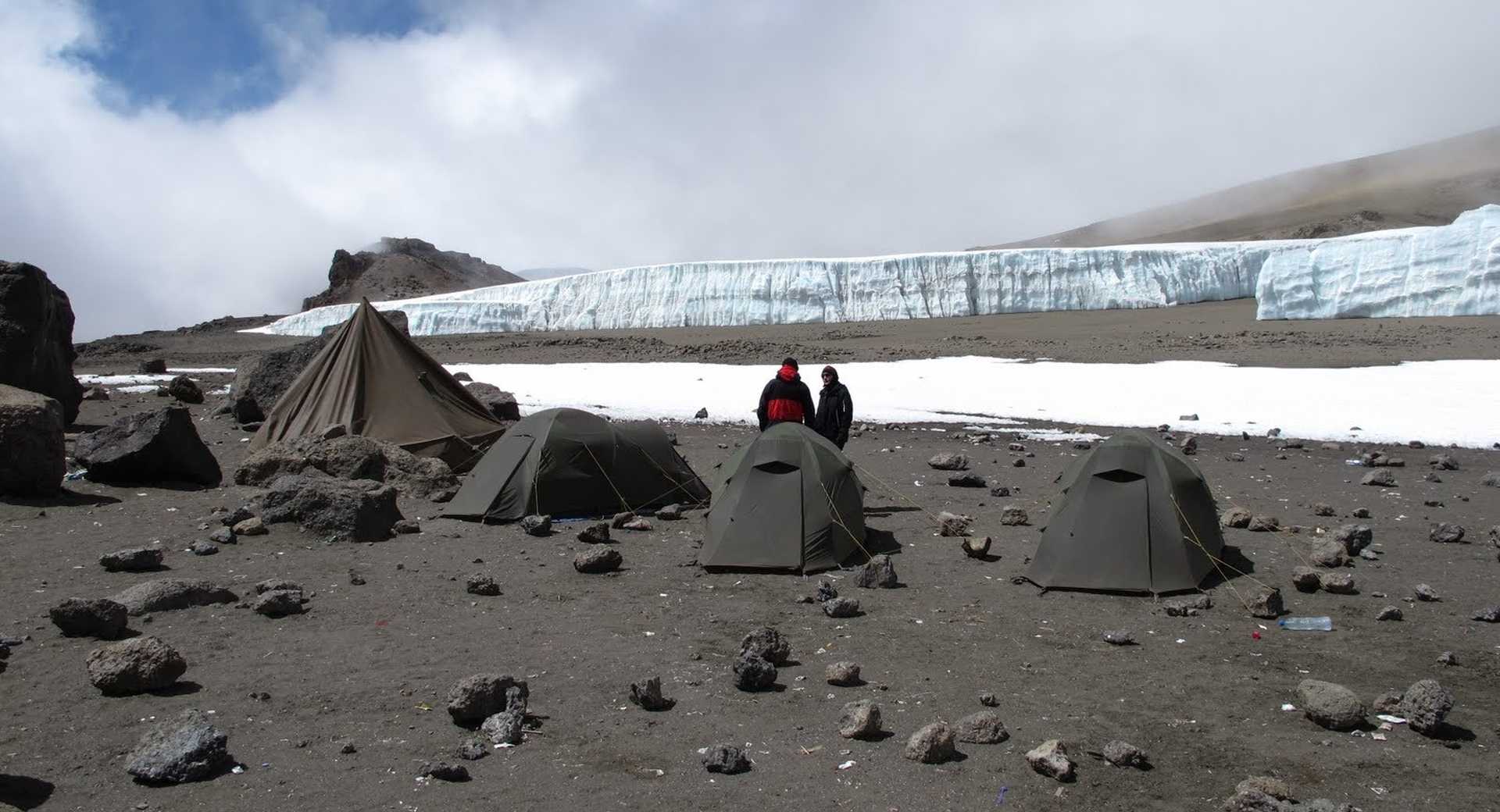
Crater camping places you right at the heart of Kibo’s ice fields at around 5,700 meters (18,700 ft). It’s stunning, but also demanding. Night temperatures can drop well below freezing, wind conditions shift quickly, and oxygen levels are significantly low. This is not an ordinary campsite—it’s a high-altitude environment that challenges even experienced adventurers. Knowing these realities helps you approach the experience with respect and the right level of preparation.
Choose the Right Route and Itinerary
Not every Kilimanjaro route is suitable for crater camping. The Lemosho Route, Northern Circuit, and the longer Machame itineraries are ideal because they provide excellent acclimatization time. You need a slow, well-structured program that lets your body adjust to altitude before you spend a night in the crater.
Choose an operator known for high-altitude expertise. This ensures you have guides trained in wilderness first aid, pulse oximetry monitoring, and emergency procedures. When it comes to crater camping, experience matters more than price.
Pack the Right Gear and Layer Properly
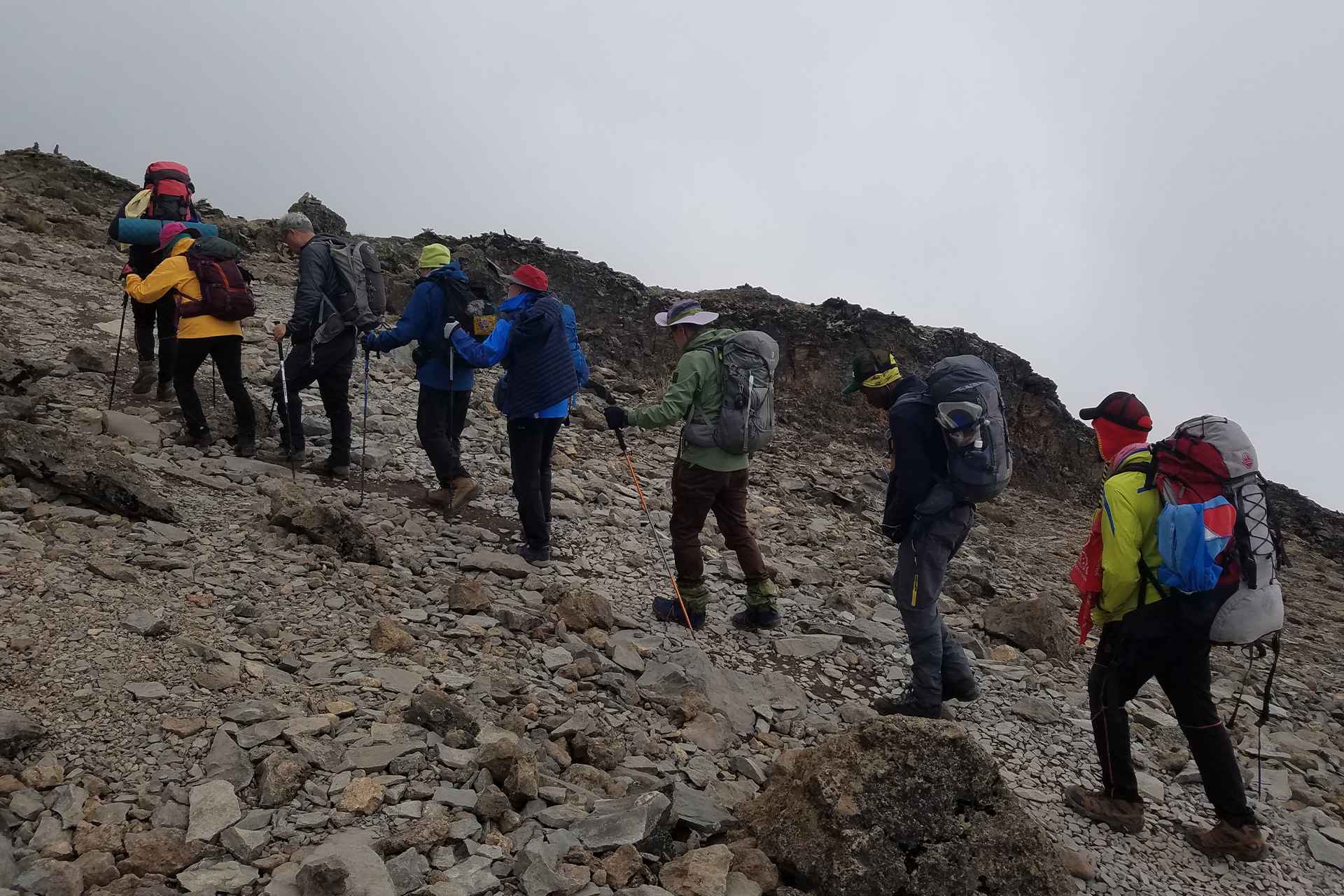
Crater nights are extremely cold, so packing the correct gear makes the difference between a memorable night and a miserable one. A four-season sleeping bag rated at -20°C, an insulated sleeping mat, thermal base layers, wool socks, and a high-quality down jacket are essential. Layering is your best friend—your warmth depends on it.
Glacier-reflective light can be intense, so bring strong UV-protection sunglasses. Sunscreen, lip balm, and thick gloves are also must-haves. The crater terrain is dusty and volcanic; gaiters help keep debris out of your boots, making walking easier and safer.
Hydrate Constantly and Eat Even When You Don’t Feel Hungry
High altitude reduces appetite, but your body needs calories more than ever. Warm soups, high-energy snacks, and slow-burning carbohydrates help keep your energy stable. Drinking water is equally important. The dry air and altitude cause dehydration faster than you may realize. Most climbers need at least 3–4 liters a day.
A good operator provides hot water, warm meals, herbal teas, and snacks to keep you strong through the camp and summit day.
Know the Signs of Altitude Issues
Even with good acclimatization, the crater’s elevation demands close attention to your health. Headaches, nausea, dizziness, or shortness of breath may indicate altitude sickness. Your guides will monitor you, but listening to your body is equally important.
The moment symptoms intensify, you must descend. Crater camping is optional; your health is not. The mountain will always be there—you can return, but severe altitude issues can escalate dangerously fast at this height.
Embrace the Experience: The Beauty of the Crater
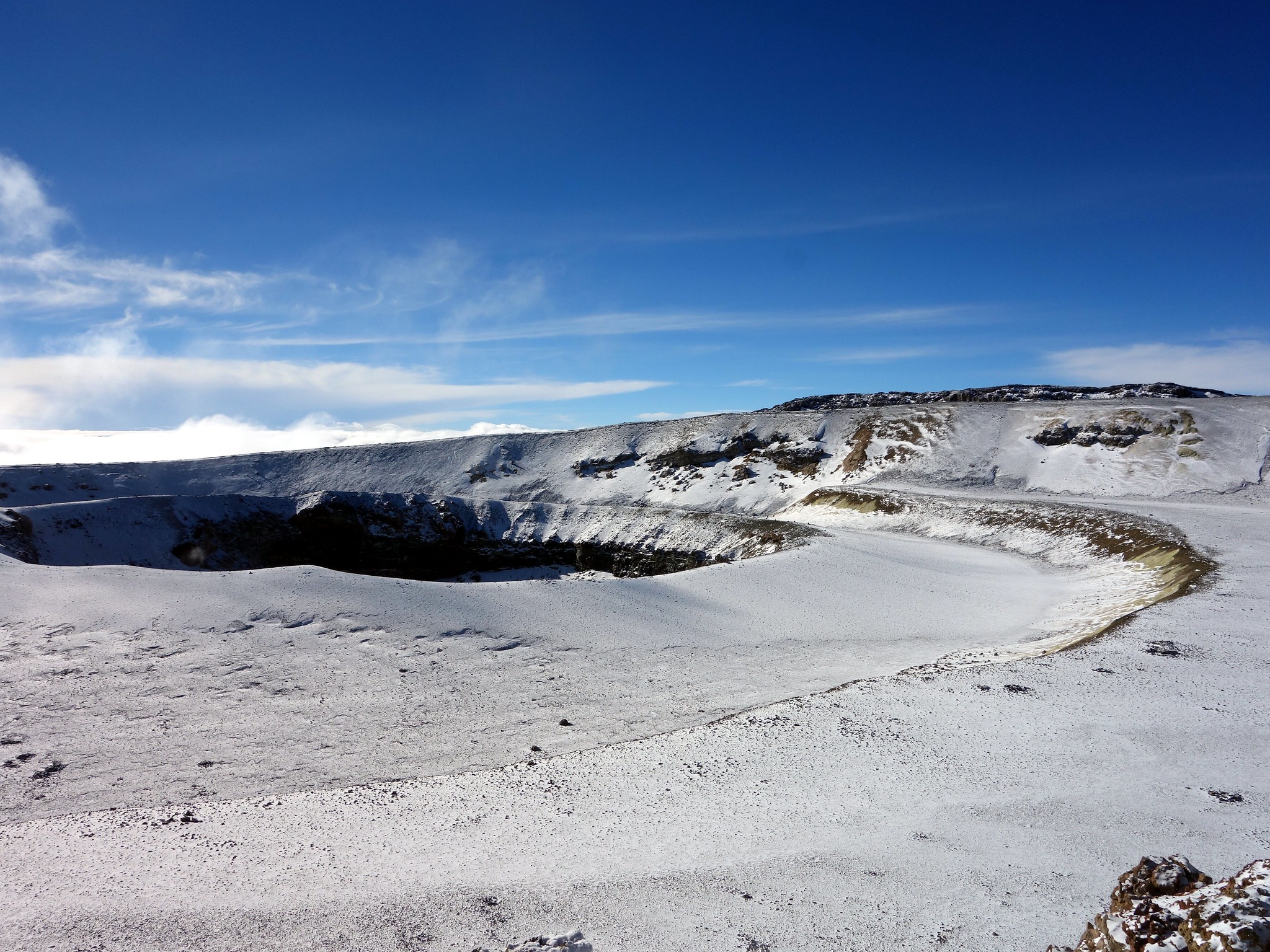
Once you arrive and settle into camp, the magic becomes unforgettable. The Reusch Crater sits like a vast lunar basin, with steam vents quietly revealing the dormant volcanic life beneath your feet. The shrinking glaciers—Furtwängler and others—glow blue and silver under the sun, creating surreal photo opportunities. As the sun sets, the horizon seems endless, and the silence becomes something you feel as much as hear.
Even at night, stepping outside your tent reveals a sky so clear that stars appear close enough to touch. The experience is otherworldly—something few travelers on earth will ever witness.
Follow Safety Instructions and Respect the Crater Environment
Your guides will brief you on how to walk safely on ice patches, how to avoid the steam vents, and how to conserve your energy for summit morning. Follow their instructions completely. They know the terrain, the weather patterns, and the safe boundaries around the crater.
Preserving the environment is equally important. The crater is fragile, and as one of the last remaining glacial ecosystems in Africa, it requires care. Leave no trace, avoid stepping on sensitive areas, and pack out everything you bring.
Prepare Mentally for the Challenge
A night at the crater is breathtaking, but it also tests your mental strength. The cold is intense, breathing is slower, and sleep may be light. Understanding this ahead of time helps you appreciate the experience rather than struggle with it.
Keeping a positive attitude, celebrating your progress, and reminding yourself why you chose this adventure all help you push through the tough moments. And when you wake up for the final push to Uhuru Peak, you’ll feel something powerful—pride, determination, and a deep connection to the mountain.
Why Crater Camping Is Worth Every Effort
Spending a night on Kilimanjaro’s crater is not just about bragging rights—it’s about feeling the raw force of nature, standing in one of the most unique places on Earth, and experiencing a side of the mountain most climbers never see. It transforms your Kilimanjaro journey from a simple climb into a true expedition.
With the right preparation, safety practices, and experienced guides, crater camping becomes a once-in-a-lifetime memory etched deep into your heart.